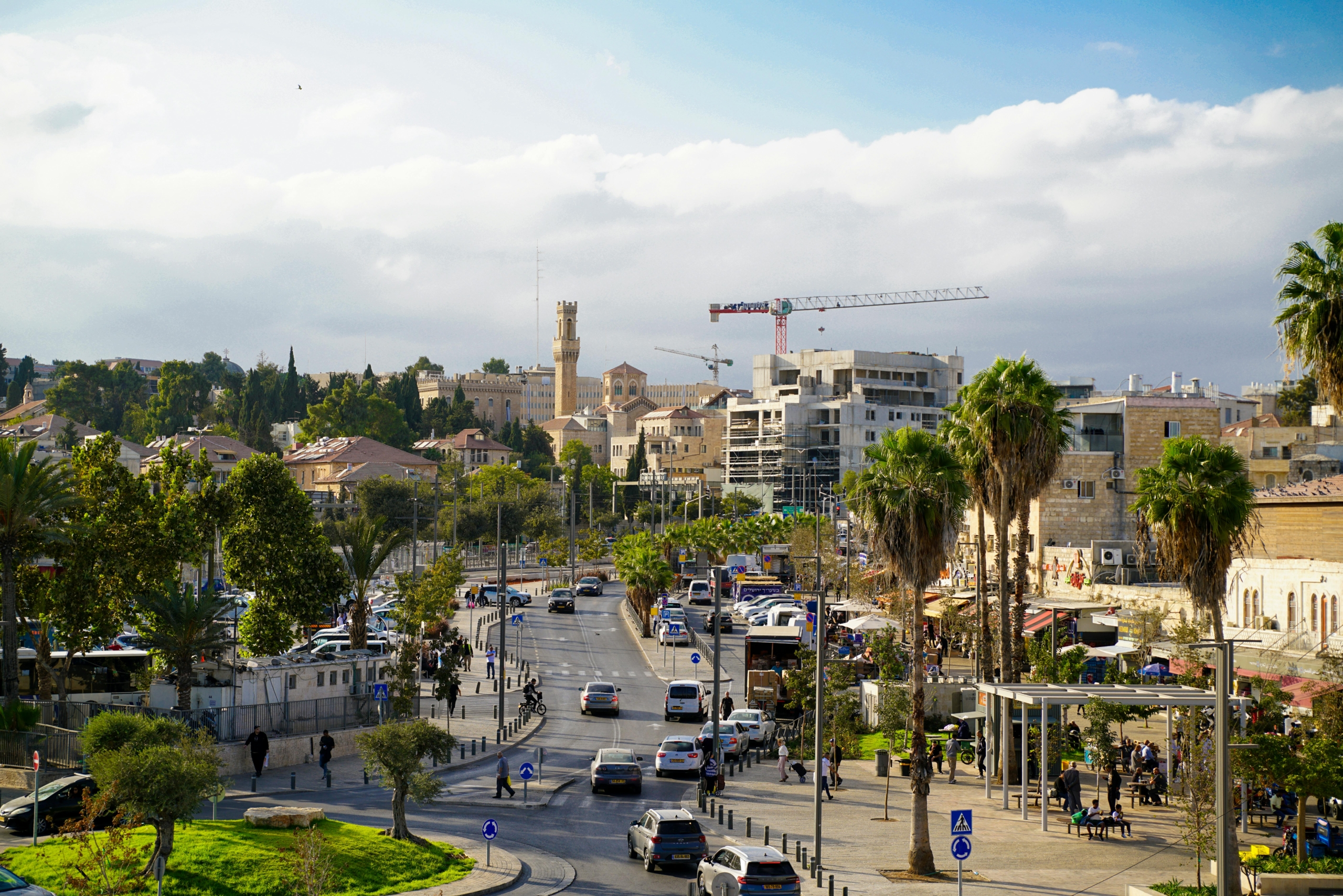
Is buying property in Israel a dream or a daunting financial challenge? With the average mortgage interest rate in Israel evolving in 2026, understanding the market drivers is essential. From the tech hubs of Tel Aviv to the spiritual heart of Jerusalem, here is why Israel’s real estate remains one of the world’s most resilient investments—and how you can navigate it.
1. Limited Land and Sky-High Demand
Israel is geographically tiny. Prime regions like Tel Aviv, Jerusalem, and the Gush Dan corridor are already densely built. Strict zoning rules and a unique mix of spirituality and culture make competition fierce. According to recent data from the Bank of Israel, land scarcity remains the primary driver of price appreciation. When land is a finite resource, prices naturally soar.
2. Rapid Population Growth & The “Olim” Factor
Unlike most Western countries, Israel’s population is booming. Natural growth combined with steady waves of Aliyah (immigration) creates a constant need for housing. New residents and investors alike focus on central cities where jobs, services, and established communities are concentrated, keeping the pressure on the market.
3. The Planning Bottleneck
Even when land is available, the Israeli bureaucracy is notoriously slow. Most land is government-owned, and developers must navigate years of planning and environmental approvals. This construction lag means that supply never quite catches up with the thousands of people looking for a home each year.
4. Current Average Mortgage Interest Rate in Israel (2026)
To combat the high entry price, most buyers rely on financing. If you are looking to buy this year, here is what you need to know about the average mortgage interest rate in Israel and the financing (Mashkanta) market:
| Mortgage Type | Avg. Rate (Feb 2026) | Best For… |
| Fixed Rate (Unlinked) | 4.9% – 5.6% | Stability & peace of mind |
| Prime-Based (Variable) | Bank of Israel + 0.5% | Flexibility & early repayment |
| CPI-Linked Fixed | 3.2% + Inflation | Lower initial monthly payments |
Note for Foreign Buyers: Non-residents can typically secure financing for up to 50% of the property value. Our team specializes in helping international clients navigate these banking requirements and secure the best rates available.
5. Why Israel Real Estate Prices and Mortgage Rates Stay High
Several structural factors keep the market elevated:
Idle Investment Properties: Many foreign-owned apartments sit empty, further tightening the available supply for locals.
Municipal Priorities: Local towns often prefer commercial projects over residential ones because housing requires expensive infrastructure upgrades.
Favorable Tax System: In some cases, real estate taxes still favor property owners over other types of investments, encouraging long-term holding.
6. Is it Still a Good Investment?
Despite the costs, Israeli real estate remains a “safe haven.” With strong resale values and high rental demand in cities like Modiin, Ramat Gan, and Maale Adumim, property here is a proven way to diversify a global portfolio and protect wealth against inflation.
Final Thoughts: Take the Next Step
The high cost of Israeli real estate is the result of a unique blend of geography, demographics, and policy. Understanding the average mortgage interest rate in Israel is the first step; having the right partner is the second.
Ready to start your journey?
Whether you are making Aliyah or looking for a high-yield investment, don’t navigate this complex market alone.